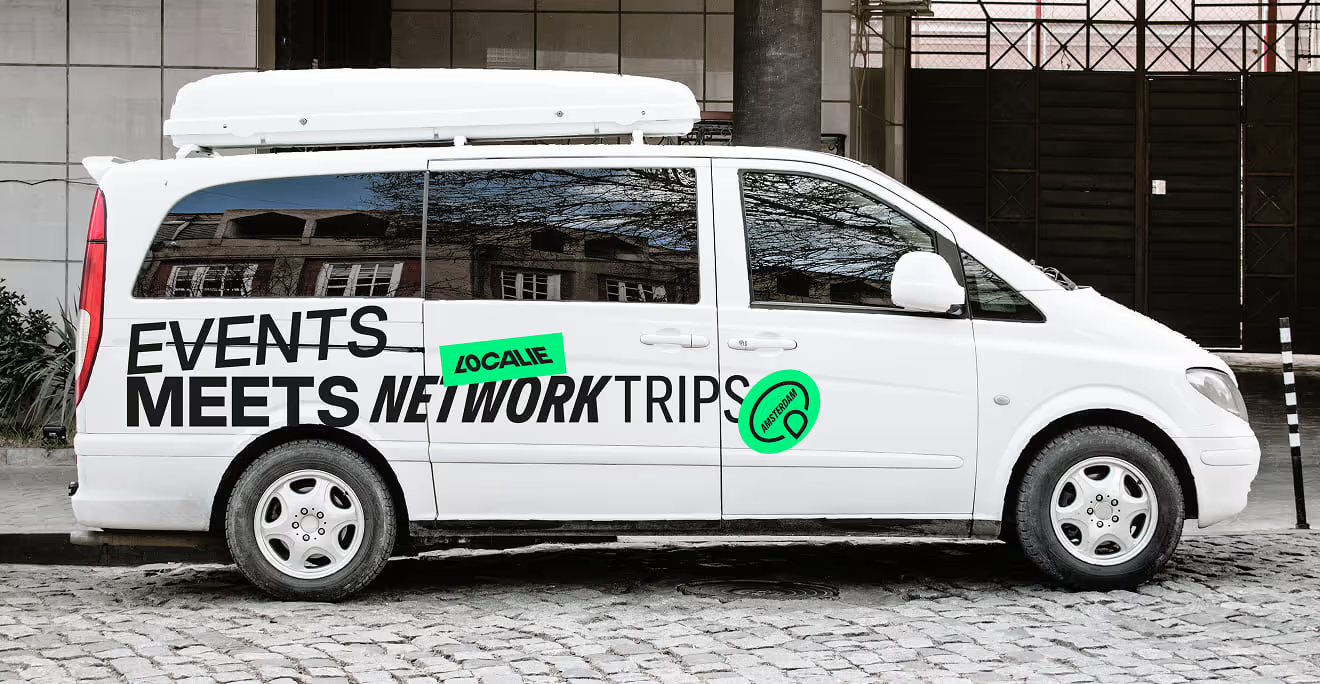
Landing pages, integrations, presentations, social — everything for the webinar funnel


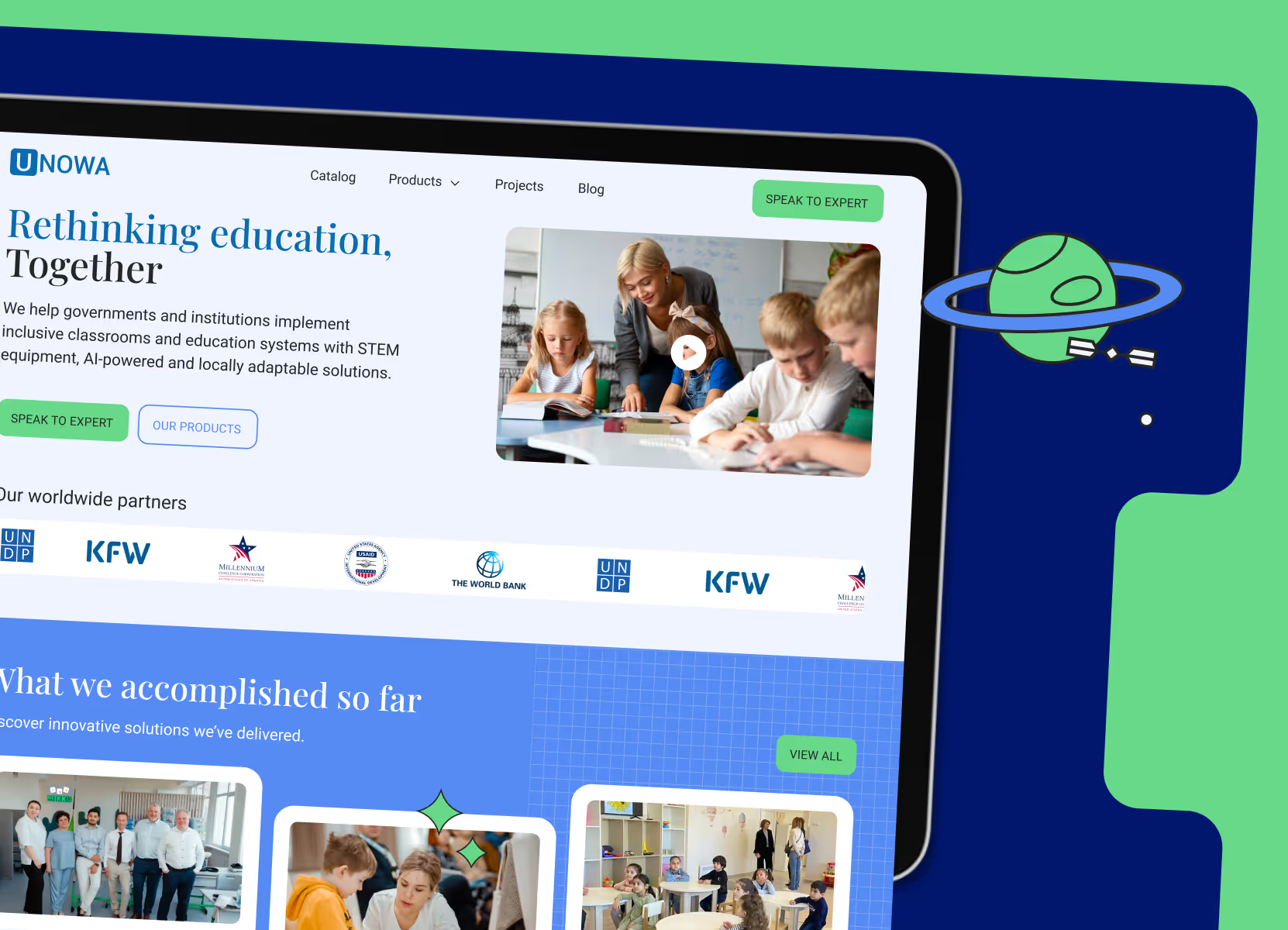
For UNOWA, none of this infrastructure existed. We're their embedded design partner, covering all design needs as the team grows — and this project was one of the most complete things we've built together.
Our job was to put the entire webinar setup in place, so the marketer could focus on growth instead of chasing creatives and fixing technical issues.
What we delivered:
Six webinars were planned as a first wave to test the format.
A webinar funnel has a lot of moving parts: registration page, presentation deck, post-webinar page, LMS platform, email automations, social content, tracking. If any of these are disconnected — visually or technically — the experience breaks. Data gets lost. The marketing team spends time debugging instead of optimising.
The brief wasn't "design a landing page." It was: build a system where all of this works as one, looks like one product, and doesn't require a designer every time a new webinar goes live.

We built a CMS template in Webflow with built-in language localisation: one template, two language versions, toggled by a single field. Launching a new webinar now takes 30–40 minutes.
The CMS grew to nearly 60 fields. Every element that changes between webinars — speaker photos, badges, dates, promo codes — is a field. Nothing requires touching the design.
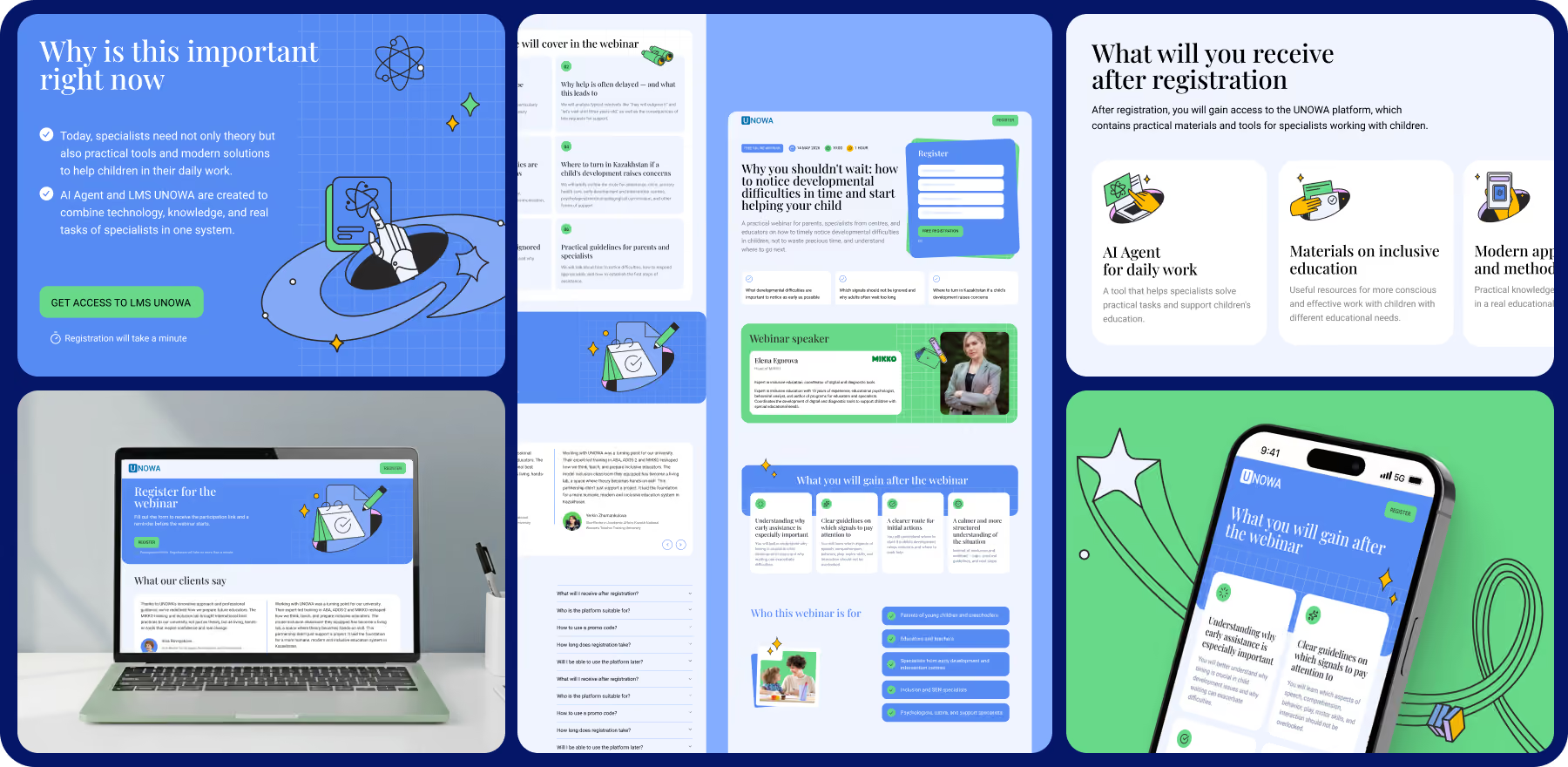
Registration pages connect to GetResponse via Make — every sign-up lands in the right contact list automatically. Post-webinar pages connect to Thinkific, the client's LMS. Thank-you pages preserve UTM chains so tracking stays intact end to end.
Every touchpoint — from the first ad click to the course page — looks and behaves like part of the same product.
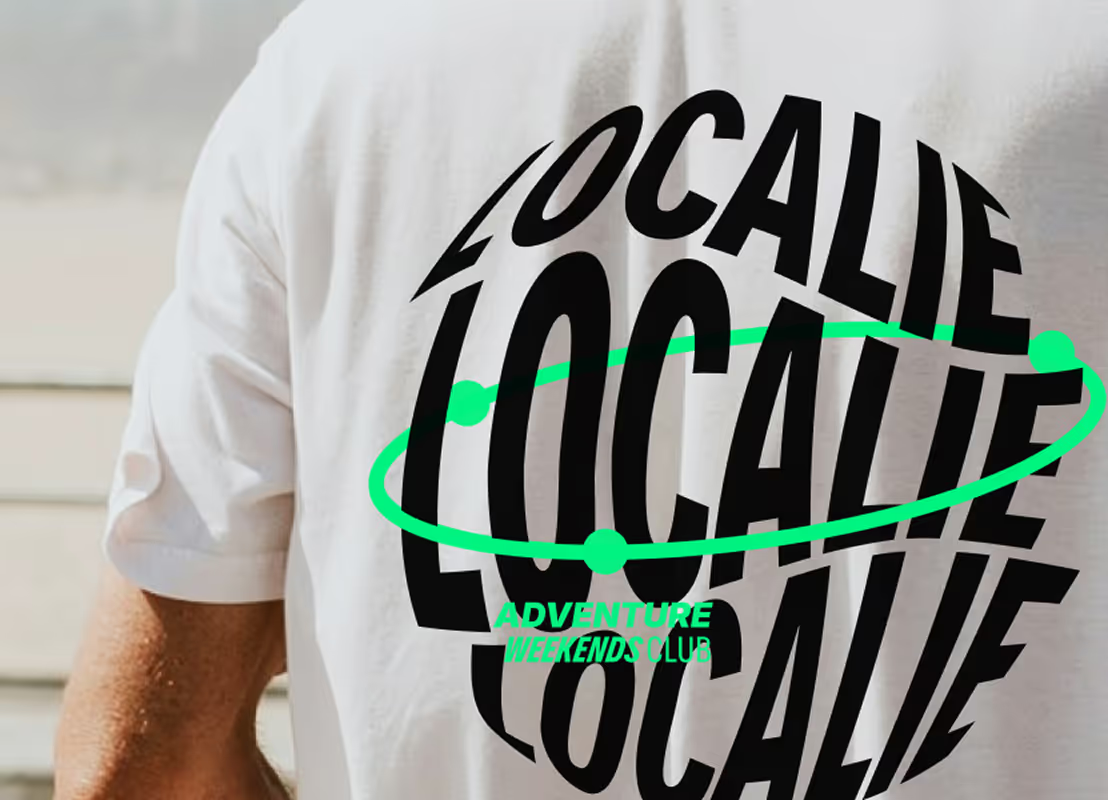
We got on a call with the speakers and the product owner to understand the tone and format they needed. Comparing to b2b/b2g UNOWA brand style, these webinars are targeting real people so we made visuals warmer, more photography, lighter colours.
Multi-language versions were turned around quickly using AI translation tools in Figma to keep context accurate at speed.
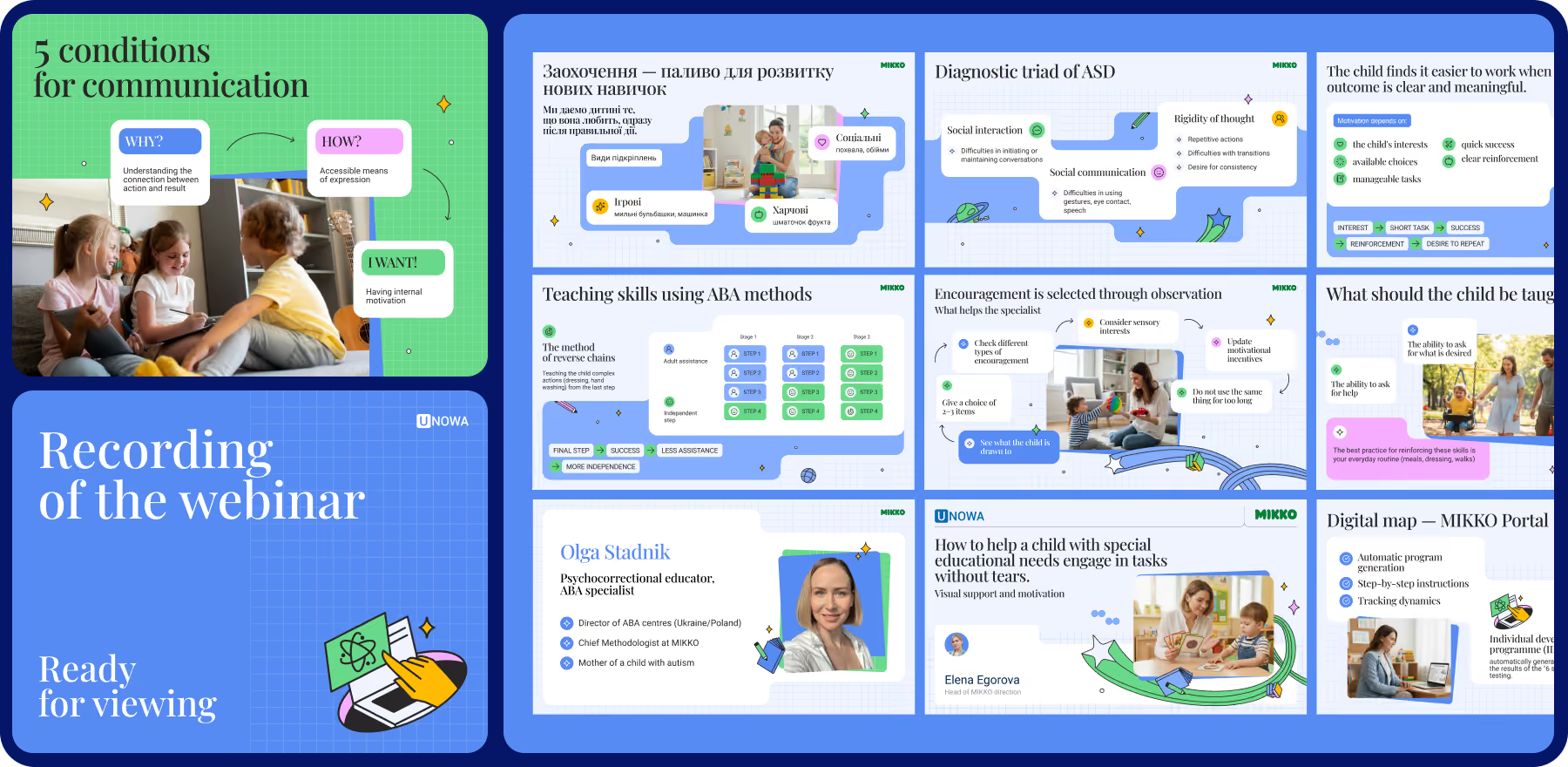
Landing pages, presentation decks, post-webinar pages, integrations, social templates, certificate system, LMS redesign — all built and live in days, not months.
The first 3 webinars have run on this system — a pilot that proved the format works. Each new one takes 30–40 minutes to set up. The marketing team focuses on registrations and conversions. Everything else is handled. More webinars are already planned.
Now webinars are becoming a permanent part of their marketing, with new sessions launching almost weekly and more speakers joining the programme.
We launched the webinar campaign from scratch and it worked end to end. busy.studio helped us pull together everything from landing pages and presentations to integrations and social, while handling a lot of moving parts on our side.
What really stood out was the speed, flexibility, and the fact that they didn’t just do the design — they also helped make the technical setup work. The campaign has been a real success, we’re scaling it further, and they’ve been a valuable part of that.